Overcome Overthinking with Easy Poses and Good Bites || Ritwika Pal
Have you ever gotten the feeling that you are going in circles in your head? You replay conversations. You are concerned with what you need to do tomorrow. So many of us fall into this overthinking trap. It causes what is referred to as analysis paralysis by experts, where decisions become paralysed. But here's the good news. Breaking free is as easy as usual. This article demonstrates the grounding of the body through simple yoga poses. Combine them with conscious bites that give your brain energy. Collectively, they sliced through mind fog. No fancy gear needed. Just a few minutes a day. Prepare to re-establish your cool and concentration.
Getting to know the Overthinking Loop: Why Your Brain Stalls

Your brain loves patterns. However, when worry comes in, it spins around issues. Such meditation is energy-depleting. It keeps you from acting. It is difficult to get out of the cycle. But knowing why it does makes you fight back.
The Mathematics of Analysis Paralysis
There are too many thoughts in your mind. It is as if a computer has too many open tabs. Resources run low. Research demonstrates that this decision fatigue occurs when a decision has accumulated. In one of the reports made by the American Psychological Association, people make poorer calls when they are tired. Your brain craves rest. Simple breaks can reset it.
Oversensitivity peaks off during hectic life. You could look at possibilities of what to eat on your own. Minutes turn to hours. This stall blocks progress. But instruments such as poses change the direction of attention. They pull you from the spin.
Stress Hormones and Clutter in the Mind
Stress pumps out cortisol. This hormone gets your fight or flight engine running. It amps up fears and doubts. Prolonged levels distort rationality. Studies associate high cortisol with intrusive thoughts. Your body stays on alert. Mind follows suit.
Thoughts run clear when one is at ease. Hormones balance out. You gain space to breathe. In the long run, this reduces the clutter. Bites and poses can be used to reduce that rush. They soothe from the inside out.
As the subjective element of overthinking, it manifests itself in real life in the following ways:
Picture this: You need to email your boss. But you rewrite it ten times. What if it sounds wrong? Hours pass. This indecisiveness manifests itself in minor decisions. It steals joy from the day.
Friends tell stories such as yours. One procrastinates vacation planning against details. Another misses workouts out of apprehension. These moments add up. They sap your drive. It begins with awareness in breaking the pattern. Then action follows.
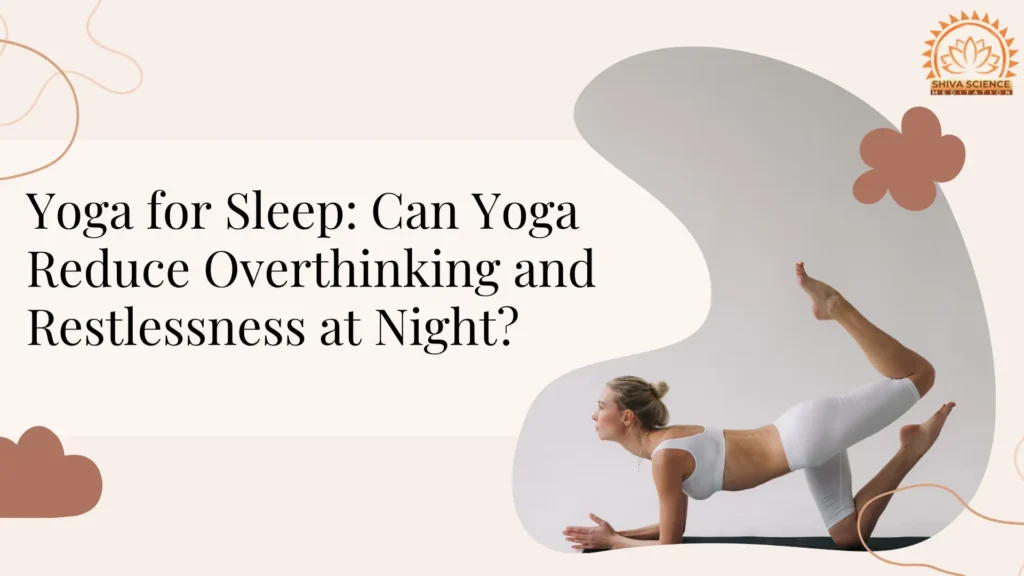
Grounding (By Posture): Simple Yoga Postures to Break the Cycle of Thought
Yoga offers quick anchors. You don't need mats or classes. Just your body. These are poses that create body awareness. They quiet the mind's chatter. Focus on how you feel. Not on getting it right. Try them anywhere. They stop thinking rapidly.
Start slow. Breathe deep. Allow the senses to drag you there. Over time, this habit sticks. Your thoughts lose power.
Tadasana (Mountain Pose): Finding Your Anchor

Inhale. Feel the pull of gravity. Then raise out of the crown of your head. Hold for one minute. This pose steadies you. It roots out worry. And you are like a tree in wind.
Use it before big talks. Feet grounded. Mind clears. Easy transitions alter the whole world.
Viparita Karani (Legs-Up-The-Wall Pose) to Revive the Nervous System
Stay five minutes. Blood flows to the heart. This eases the vagus nerve. It calms your whole system. Tension melts away. Thoughts slow down.
Do it after work. Or when worry comes. It can be set up in seconds. Relief lasts hours.
Balasana (Child's Pose): The Surrender Pose
Breathe slowly. Feel your chest expand. The crease wrinkles your Third Eye. It invites peace. Like a hug from within.
Hold as long as comfy. This position relaxes both children and adults. Use it for quick resets. The cogitating passes away.
Mindful Munching: Nutrition and the Cognitive Clarity
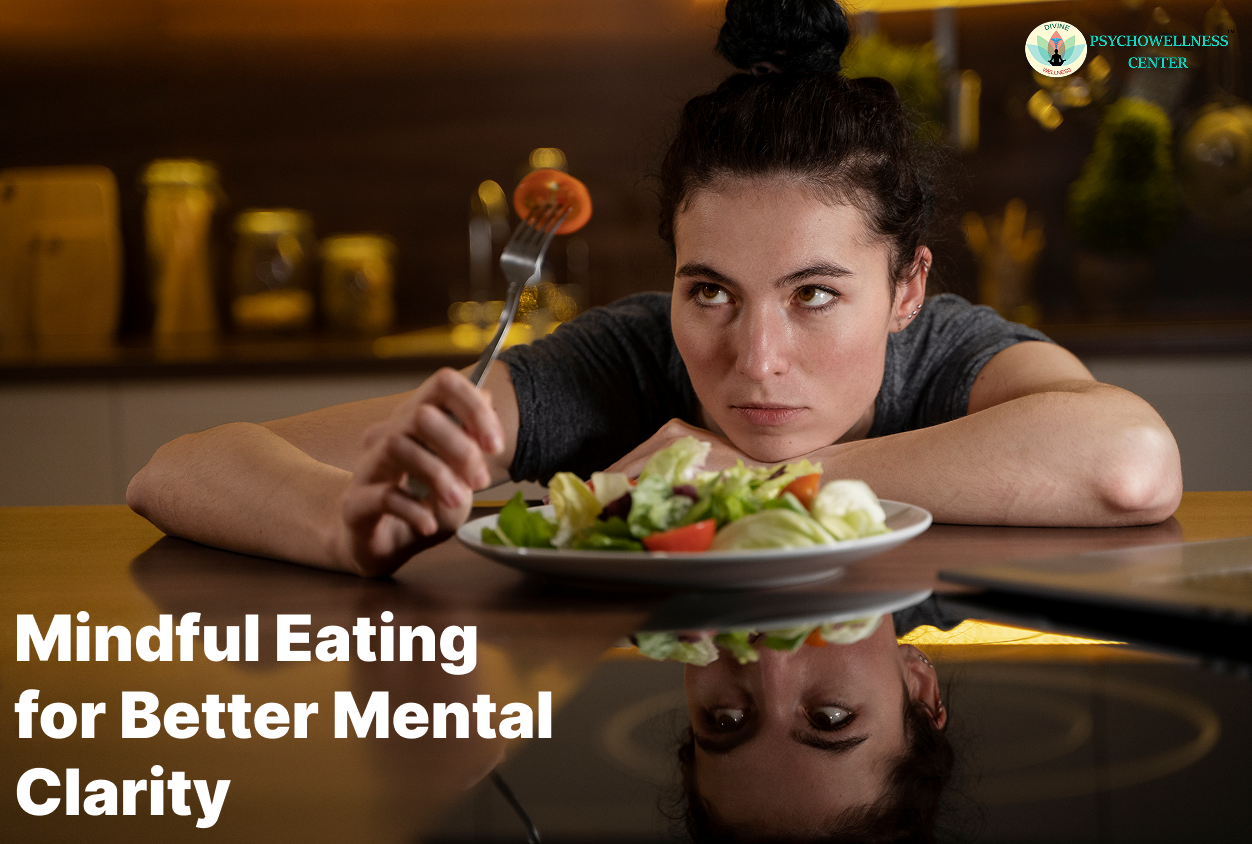
Skip the crash from sweets. Choose smart options. Your mind thanks you. Good habits bring about clarity.
Taming Blood Sugar to Shush Worry.
Pair carbs with protein. Add healthy fats too. Think apple with nut butter. This mix evens energy.
Spikes mimic panic. Crashes bring fog. One study demonstrates that stress response is reduced by balanced meals. Eat every few hours.
Try it now. Grab yogurt and berries. Feel the steady calm. Worry quiets down.
Brain-Boosting Bites: Essential Nutrients to be Focused On

Magnesium relaxes nerves. Eat spinach or pumpkin seeds. A handful daily helps. Deficits amp worries. Fill up right.
Dark chocolate counts too. In moderation. It lifts mood. Pick these bites. See focus improve.
The Practice of Mindful Eating: Transforming Snacking
Pick one bite. Pause. Notice its look. Smell it closely.
Chew slowly. Feel the texture on the tongue. Taste every note. Swallow with a breath.
This makes eating a form of meditation. One minute shifts your day. No rush. Just presence. Overthinking pauses.
Incorporating Movement and Fuel: the Development of Micro-Rituals
Link poses to bites. Build tiny routines. They fit busy schedules. Small steps lead to big calm. Make them yours.
These rites come in between stress. They become second nature. You gain control back.
The 5-Minute Transition: Pre-Fuel Pose
Follow with slow almonds. Chew each one. Notice the crunch.
Old habit: quick fix. New way: true relief. Swap wins every time.
Constant Mental Load vs. Worry Windows Scheduling
Set aside ten minutes daily. Let thoughts spill. Write them down.
Beyond this time, usage is so as to disorient. Bites to refuel. No endless loop.
This blocks rumination. You choose when to think. Freedom feels good.
Maintaining Calm: Beyond the Short-term Solution
Watch patterns. Adjust as needed. You hold the reins.
Tracking Triggers: At Which Times Does Overthinking Strike the Most?
Note when it hits. Mornings? Evenings? After calls?
No judgement. Just facts. Test poses then. See what sticks.
Journal quick. One line a day. Patterns show. Fixes follow.
Consistency Instincts vs. Intensity: The Strength of Mico-Habits
One breath count beats none. There are three conscious bites on a missed meal.
Start tiny and grow from there. Daily wins build strength.
Skip the overhaul. Micro steps last. Calm becomes a habit.
Requesting Additional Assistance (Where Necessary)
If overthinking grips tight or lasts weeks, then talk to a pro.
Therapy unpacks roots. Counsellors guide nutrition. You're not alone.
Reach out soon. Pair it with these tools. Healing speeds up.
Summary: How to stop overthinking and overdoing (it right)
Simple yoga poses ground you. Conscious bites sustain clear minds. They both silence the clang in the inner ear. You move from stuck to steady. Overthinking loses its hold.
Sit in Tadasana each day to have grounding for your focus.
Replace snacks with slow and nutritious bites.
One mindful chew will transform eating into relaxation.
Reclaim your mental space. Start with one pose. Add a smart bite. Feel the shift. You've got this. Your calmer life waits.
Feel stress rise? Stop. Perform two minutes of Mountain Pose. Feet firm. Breathe.
Then eat your snack. Mind settled. Body ready. This is the bridge between the two worlds.
Do it before lunch. Or mid-afternoon. Five minutes after the flow.
The "Anxiety Snack" Swap
Ditch chips and scroll. Instead, try Legs-Up-The-Wall. Three minutes flat.
Scheduling Worry Windows vs. Mental Load on Task
Set aside ten minutes daily. Let thoughts spill. Write them down.
Out of that time, use is to redirect. Bites to refuel. No endless loop.
This blocks rumination. You choose when to think. Freedom feels good.
Maintain your peace, More than the Band-Aid Solution.
Monotony, Not Hard Work: The Strength of Micro-Habits.
One breath count beats none. A missed meal is topped with three conscious bites.
Conclusion: Overthinking to Overdoing (It Right)
Simple yoga poses ground you. Thoughtful bites feed transparent minds. The two of them put a lid on the noise inside. You move from stuck to steady. Overthinking loses its hold.
Sit with your legs raised in Tadasana so that you are grounded.
Replace snacks, which are fast and have a high calorie content, with slow, nutritious bites.
Chew one bite at a time to make it relaxing.
Reclaim your mental space. Start with one pose. Add a smart bite. Feel the shift. You've got this. Your calmer life waits.


Comments
Post a Comment