Fix Separation Anxiety in Golden Retrievers Quick || Ritwika Pal
This is a certain silence that envelops the house when you go out and shut the door. To the majority of dogs, it is a silent rest. To a Golden Retriever, the sun may seem to have taken a temporary absence in the sky over which it belongs to them.
Golden Retrievers are known to be affectionate, loyal, and people-centered. Being bred to act in close association with human beings, they do not simply like being around. They depend on it. Other alternatives that some Goldens develop when unsupervised and unprepared are separation anxiety, which may cause them to be involved in barking, destruction, pacing, house-soiling, and emotional distress.
The positive side is that it is possible to improve the state of separation anxiety and even cure it through the proper strategy. To remedy the problem of separation anxiety in Golden Retrievers, it is not just about speed. It is a smart structure.
Now we shall go through it step by step.

What Separation Anxiety in Golden Retrievers Appears Like
You must determine it first before repairing. Separation anxiety does not affect all bored dogs. Authentic separation anxiety manifests itself in a particular way when the owner is absent or is going to be absent.
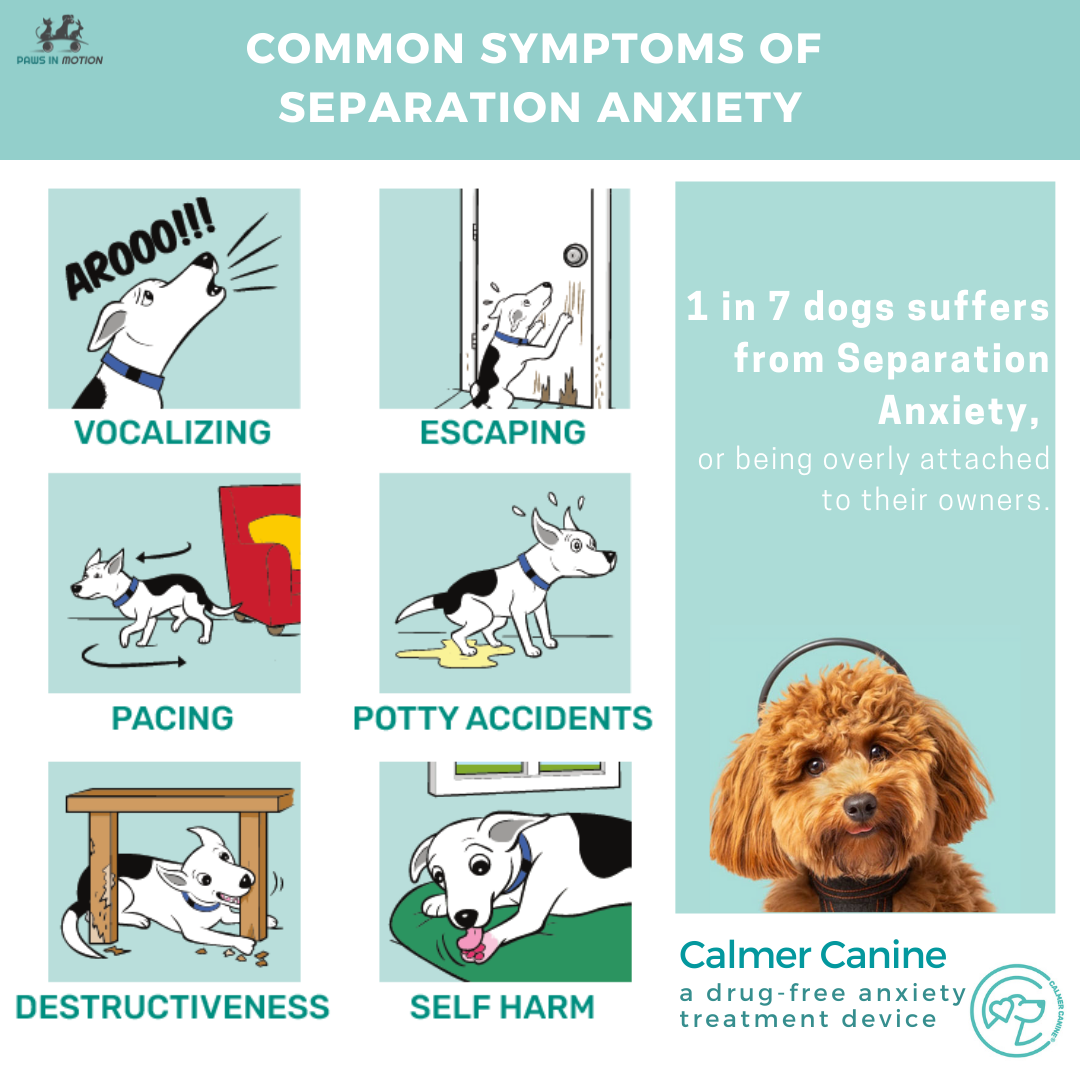
Common signs include:
- Too much noise when you go, too much howling.
- Oral chewing, doors, windows, furniture, near the exit.
- Walking in a rhythmic manner.
- Scratching at doors
- In a dog already trained in the house, accidents.
- Heavy drooling or panting
- Attempting to get out of jail.
Golden Retrievers are particularly susceptible, as they are companion dogs that are highly attached. Based on breed attributes adopted by the American Kennel Club, the Golden Retriever breed is intelligent, pleasure-seeking, and very social. Such characteristics are great in families but may cause pain when they are on their own.
The cause of Separation Anxiety in Golden Retrievers
Knowledge of the underlying cause makes you solve it quicker.

Common triggers include:
- Sudden schedule change - Coming back to work after months staying at home may also shock the dog, who became accustomed to constant companionship.
- Moving homes -They can be overloaded with a new environment and new patterns of alone time.
- Death of a relative, or of one more pet - Golden Retrievers are strongly bonded, and they are easily affected by a loss.
- Absence of free training as puppies - Other Goldens never knew it was safe to be alone.
Step 1: Departures are No Longer Emotional
- No long hugs before leaving
- No greetings at the gate, home with the high energy.
- Do not disturb exits and entries.
- You wish your Golden to believe: This is tiresome. Nothing special."
- Such a modest change can decrease the level of anxiety in days.
Step 2: Practice Micro-Separations
You cannot go between all-day company and eight-hour vacations. That is as if one is asking a person who is afraid of water to cross a lake.
- Leave for 30 seconds
- Return calmly
- Increase to 1 minute
- Then 3 minutes
- Then 5 minutes
- Gradually extend
The trick is to get back before the anxiety gets out of hand. You are training the nervous system that there is nothing like being safe.
This approach results in a significant improvement in as little as two to three weeks when consistently performed by many Golden Retriever owners.
Step 3: Develop the Positive Relationships with Alooness
You desire that your departure augur something good.
High-value tools include:
- Stuffed frozen Kongs
- Long-lasting chew toys
- Puzzle feeders
- Snuffle mats
These special treats should only be given when you go. This creates a mental shift:
The time of the peanut butter treasure = owner leaving.
Golden Retriever is a food-motivated dog. Use that to your advantage.
Step 4: Engaging in more physical activity every day
A wary Golden Retriever is a more relaxed Golden Retriever. This is a breed with high levels of energy. Anxiety is amplified in the absence of the appropriate outlets.
The needs that are usually encountered on a daily basis include:
- 45 to 90 min of physical activity.
- Fetch sessions
- Long walks
- Swimming if available
- Structured training games
Mental exercise matters too. A dog can be worked with obedience five minutes more easily than going out on a leisurely walk.
The mind is not as reactive as long as the body is satisfied.
Step 5: Create a Safe Space
A special quiet area is a boon for some Goldens.
- A crate -trained, a crate positively.
- A specific quiet room
- A cozy corner with bedding
There should never be confinement as punishment. It is not to be an isolating space, but it should be a retreat.
Environmental triggers such as cars and noise in hallways can also be minimized with the help of white noise machines or soft background music.
Step 6: Break Departure Cues
Dogs are observant. Psychological disorders can cause panic even before you get out of the door, picking up keys, putting on shoes, or picking up a bag.
- Take your keys and sit down arbitrarily.
- Put on shoes and watch TV
- Opened and closed without leaving the door.
- You are conditioning your Golden that there are no longer any signs of abandonment.
- With time, the expectancy stress decreases considerably.
Step 7: Avoid Punishment
- Wounds themselves in flight attempt it.
- Can not stand even 1 minute alone.
- Demonstrates intense distress symptoms.
Seek advice from a professional dog behaviorist or a veterinarian.
In other minor to severe cases, a vet might prescribe temporary anti-anxiety medication to reduce the panic threshold during implementation of training. Medication is not a failure. It is a bridge.
You can use organisations such as the Association of Professional Dog Trainers to get qualified trainers.
How Long Does It Take to Fix?
- Planned exit practice.
- Increased exercise
- Getting emotional intensity out of leaving.
- Consistency brings speed.
- Mistakes That Slow Progress
- Leaving your dog unattended for too long before it is fit.
- Focusing on anxious behavior.
- Inconsistent routines
- Skipping exercise
- Trying to achieve transformation overnight.
- Imagine it as training in emotional strength. The development of muscles is through repetition.
Golden Retriever Puppies prevention tips:
With a Golden, prevention is cheaper than a cure.
Start early by:
- Doing short individual sessions (daily).
- Promoting playful activities on their own.
- Not touching each other all the time.
- Teaching calm crate time.
- Rewarding relaxed behaviour.
- Golden Retrievers love relationships, and yet, they require strength.
Final Thoughts
Golden Retrievers are sunshine in living. They adore it, stalk you up and down the room, and they think you are their whole world. Separation anxiety is mostly infatuation without limits.
The quickest fix is not force. It is structured. Calm exits. Gradual exposure. Mental enrichment. Physical fulfillment. Consistency.
Being patient and having the correct strategy, your Golden can be taught that your absence is merely a temporary pause and not the conclusion of the game.
And when you come back, wifter of the golden times of joy come with the waving of the tail to act like a golden metronome, you both will know that independence and love may coexist together in a house.


Comments
Post a Comment