Royal Enfield Bullet First Model 1931: What You Must Know || Ritwika Pal
Some motorcycles whisper. Some roar. Then there is the Royal Enfield Bullet that feels as though it is beating like a heart made of iron.
The Bullet started its journey way back in 1931, long before it became an icon on the Indian highways. The former model was not merely a motorcycle. It was an assertion of engineering hardness at a period when the world was yet to understand what the world of modern mobility would appear like.
Let us rewind the clock.
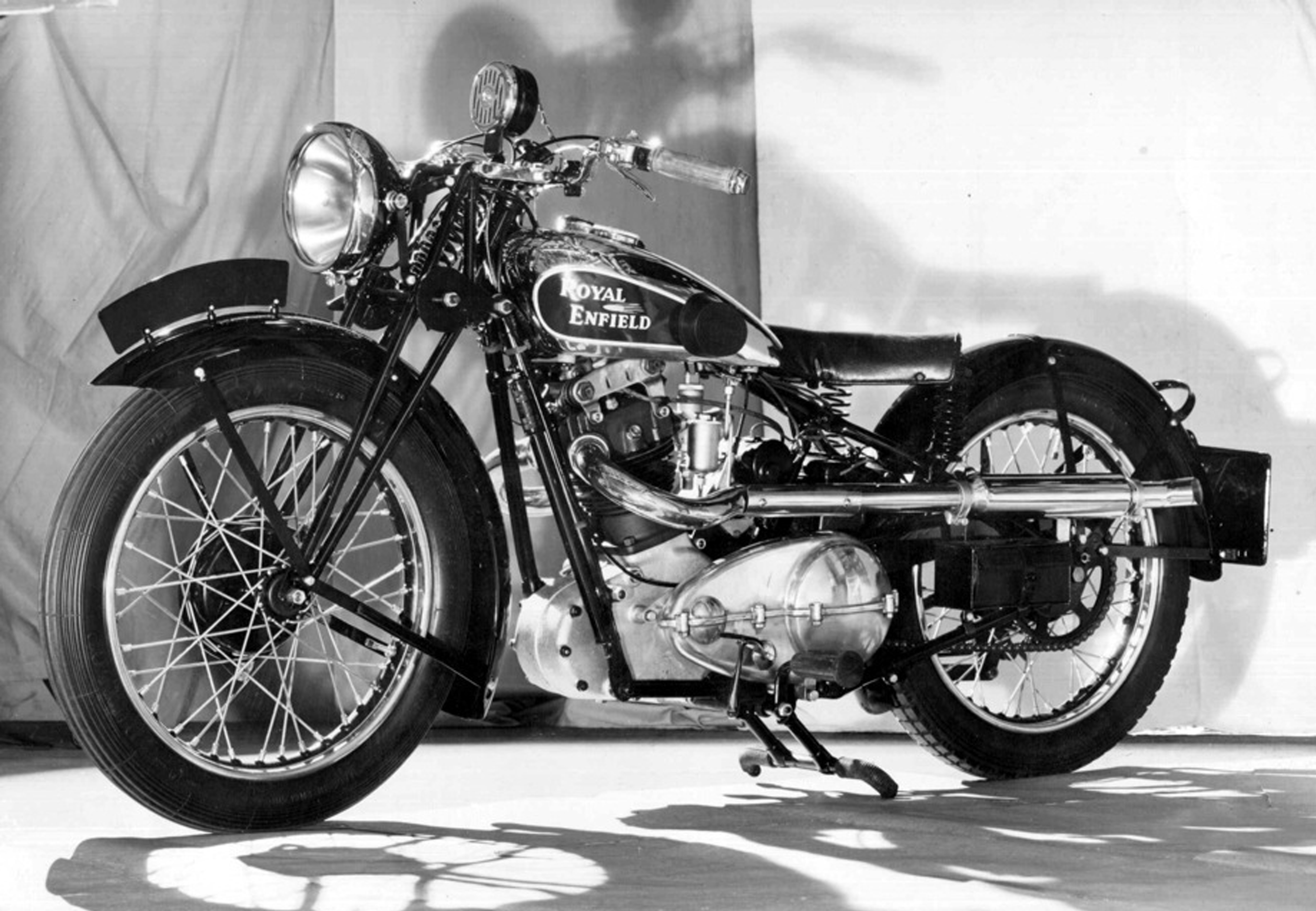
The Birth of the Bullet in 1931
In 1931, Royal Enfield made its debut at the Olympia Motorcycle Show in London with the very first Royal Enfield Bullet.
This was no thumper, yet, which is known so well in India. It was a machine that was British-made with high features of that time.
The 1931 Bullet was not the first motorcycle to have something special at a time when most motorcycles could at best have simple rigid frames and less than what could be called acceptable suspension.
Unparalleled Engineering in its era
The 1931 original Bullet had:
- A four-value single-cylinder engine.
- A sloper engine design
- A foot-operated gear change
- Optional rear suspension
This was state-of-the-art engineering in the early 1930s. The Bullet was constructed to be durable and reliable, and not fast-looking.
It was known by its name, as it was supposed to be quick, accurate, and strong.
Engine Variants in 1931
The Bullet was first made in various engine capacities:
- 250cc
- 350cc
- 500cc
In contrast to new, high-speed bikes, the initial Bullet was more of a steady-power ride and a range.
The Suspension Advantage
The use of a rear swinging arm suspension system in later early models was a major innovation. Royal Enfield made the move at a time when most motorbikes were rigid at the back frame, and its move enhanced comfort for the riders.
This could be seen as contributing to the popularity of the Bullet as a viable touring machine with its emphasis on comfort and stability.
The Military Affiliation of the Bullet
The engineering reliability of Royal Enfield eventually got the military's attention. British armed forces deployed Royal Enfield motorcycles during World War II in the capacity of dispatch and communication.
Though the 1931 Bullet, per se, is older than mass-produced versions of the same, its engineering base led to making Royal Enfield a reliable military vendor.
This reliability reputation was part of the brand.
British to Indian transition
- The path that the Bullet had followed in the 1950s had a historical twist.
- The assembling of the 350cc Bullet by Enfield India started in 1955 in Madras, today Chennai.
- This was how the Bullet became legendary in India.
- The 350cc Bullet registered huge orders at the Indian Army due to its off-road capability and roughness. With time, the production was all transferred to India, and the British activities finally came to an end.
- The Bullet, however, did not die. It evolved.
Why the 1931 Bullet Still Matters
The model of 1931 is significant since it defined:
- The Bullet name
- Emphasis on single-cylinder engines that are rich in torque.
- Innovation in engineering before others.
- A business culture of permanence rather than ornament.
- The contemporary Royal Enfield bikes have done so with that DNA.
You can hear echoes of 1931 engineering philosophy in what we hear today when you hear the signature signifier of a Bullet, its thump.
What was the Difference between the Bullet of today and that?
Make a comparison of the model in 1931 to the modern Royal Enfield Bullet 350, and the disparity is drastic:
1931 Model:
- British-built
- Four-valve engine
- Early mechanical design
- Minimal electronics
- Classic rigid styling
- Fuel-injected engine
- Improved braking systems
- ABS safety features
- Modern metallurgy
- Refined vibration control
Collectible Value Today
The original Bullet models of Royal Enfield from 1931 are so rare. The surviving ones can be frequently discovered in private collections or museums of vintage motorcycles.
To collectors, early Royal Enfield motorcycles have been sought after because they symbolize:
- Pre-war British engineering
- The early innovation of motorcycles.
- The conception of one of the oldest motorcycle names of all time.
- Very few motorcycle nameplates have endured almost 100 years of perpetual cultural relatability.
- The Bullet is one of them.
- The Legacy of the Name "Bullet"
- Why call it Bullet?
The name has, over the decades, been equated with rough masculinity in India, long highway drives, and a unique tiredness beat that enthusiasts love.
It is not only a motorcycle brand. It is a subculture.
Conclusion
Royal Enfield Bullet of 1931 was not just a machine. It was a blueprint. It was a vehicle of cutting-edge engineering of its time, it earned a reputation for reliability, and it was the basis of a motorcycle that would survive empires, wars, and changes in industrial directions. Since the early 20 th century, the British roads to the Indian highways have been a passage of reinvention without the loss of identity of the Bullet. Motorcycles would have family trees, and the 1931 Bullet would be a proud grandfather standing tall at the base made of steel and purring with meaning. And that heartbeat is still riding on for almost a century.


Comments
Post a Comment